
Impact of Narrowing US-China Yield Spreads on Net Foreign Capital Flows into Semi Sector
Yield spreads don’t manufacture a single chip, but they help decide who pays for the next fab and who doesn’t. For global investors, the difference between US and China government bond yields is a quiet steering wheel: when the spread is wide, capital leans one way; when it narrows, flows start to recalibrate. In 2020s markets—where semiconductors sit at the center of technology, trade, and policy—that steering wheel matters a great deal for where foreign capital lands inside the semi ecosystem.
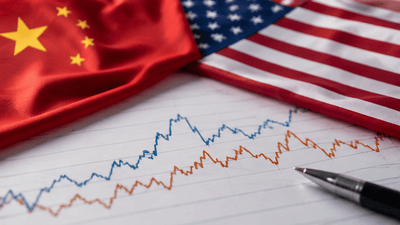
This post looks at how narrowing US–China yield spreads affect net foreign capital flows into the semiconductor sector, and how the linkage runs through interest rates, exchange rates, credit, and commodities. We’ll keep the discussion flexible—part macro top‑down, part sector‑level narrative—because the relationship is more of a shifting pattern than a rigid equation.
What It Means When US–China Yield Spreads Narrow
The yield spread between US and China is typically discussed in terms of 10‑year government bonds: US Treasuries vs China Government Bonds. When that spread narrows, it usually means one of three things:
- US yields are falling relative to Chinese yields.
- Chinese yields are rising relative to US yields.
- Both move, but China’s relative advantage (or disadvantage) in yield shrinks.
For foreign investors, this spread influences:
- The relative attractiveness of US vs China fixed income.
- Expectations about currency movements (CNY vs USD) and policy.
- Risk appetite for equity sectors in both jurisdictions, including semiconductors.
Narrowing spreads often signal a shift in monetary policy regimes or growth expectations. When that happens, capital flows adjust not just between bonds but across sectors and asset classes—including the semi sector, which sits at the crossroads of both US and China’s strategic priorities.
Interest Rates: The First Link in the Chain
Interest rates are the anchor behind yield spreads. Narrowing US–China spreads reflect changes in relative policy stance:
- US easing, China steady: If the Fed cuts while China’s policy stance is stable, US yields fall toward China’s, narrowing the spread. Dollar assets become less yield-rich; risk assets may become more attractive.
- China tightening, US steady: If China allows yields to rise, its bonds look more appealing from a carry perspective, but higher domestic rates can weigh on Chinese equities and credit-sensitive sectors.
- Divergent growth outlooks: Both central banks may move, but in different directions because of growth and inflation differences. The spread narrowing then carries embedded information about relative growth expectations.
For semiconductors:
- Lower US rates and a narrowing spread can support US semi valuations via lower discount rates, potentially attracting more foreign equity capital into US-listed semi names.
- Higher Chinese yields may signal tighter domestic financial conditions, which can dampen local equity sentiment even if the bond market looks more attractive on yield alone.
Thus, the initial impact on semis is asymmetric: narrowing spreads can be good for US semi equities while ambiguous or even negative for China’s semi stocks if tightening is the cause.
Exchange Rates: FX as the Transmission Mechanism
Yield spreads feed directly into FX expectations. Narrowing US–China spreads can imply smaller incentive to hold CNY over USD (or vice versa), affecting currency flows:
- If the US cuts and yields converge downward, a weaker dollar is often expected; this can support non‑US assets, including Chinese semis, by easing FX pressure.
- If China tightens and yields converge upward, a stronger CNY might be anticipated; this can dampen export competitiveness but attract certain yield‑seeking flows.
FX dynamics matter for foreign capital flows into the semi sector because:
- Global investors care about expected FX returns when buying China semi stocks or bonds tied to the sector.
- US and China semi firms sell globally; currency expectations shape their margin outlook and perceived risk.
- FX volatility can deter unhedged foreign capital from entering markets where yield advantage is shrinking but currency risk is still significant.
In practice, narrowing spreads that stabilize or strengthen CNY can calm some FX fears and allow more targeted foreign flows into strategic sectors, including semis. Conversely, narrowing spreads that run alongside FX volatility may hinder net capital inflows, as investors wait for a clearer currency regime.
Credit Conditions: Funding the Semi Supply Chain

Yield spreads are one part of the credit story. Credit conditions across US and China influence how capital is allocated within the semi supply chain:
- In the US: Lower yields and a narrowing spread can compress credit spreads, improve financing conditions for fab expansions, R&D, and M&A in the semi space, and make equity risk more attractive relative to fixed income.
- In China: Higher yields that narrow the spread can signal tighter liquidity and credit, making it more challenging for domestic semi firms to fund capex aggressively, especially if bank lending standards tighten.
- Global investors: When US credit conditions ease and China’s tighten, foreign capital may rotate toward US semi equities and bonds, reducing net inflows into Chinese semi firms.
If narrowing spreads come from US easing and Chinese stabilization, credit conditions may favor US semi expansion and foreign capital flows toward US names. If narrowing spreads are driven by China tightening and US steady, foreign capital may reconsider exposure to China’s semi sector, particularly in segments heavily reliant on domestic credit.
Commodities and Global Demand: Semi Cycles in the Background
Semis don’t move only with rates and FX; they live in broader cycles of global demand and commodity prices:
- Lower US yields and easier global conditions can support commodity demand and manufacturing, driving chip consumption in machinery, vehicles, and consumer devices.
- If narrowing spreads reflect an easing US environment with stable or improving global growth, foreign capital may be more comfortable betting on semi upcycles in both US and Asia, allocating across the sector.
- If narrowing spreads reflect rising China yields and perceived domestic slowdown, commodity and manufacturing demand in China may be questioned, tempering foreign appetite for Chinese semi plays tied to local industrial demand.
Net foreign capital flows into the semi sector respond to these growth signals. Narrowing spreads that suggest synchronized or improving global growth may attract flows into semis globally; narrowing spreads that hint at domestic tightening in China without offsetting global strength may favor US and other markets’ semis instead.
Foreign Capital Behavior: From Bonds to Semis

When yield spreads narrow, foreign investors reassess where they want to take risk:
-
If China’s yield premium over US bonds erodes, foreign investors who previously favored yuan bonds for carry may see less advantage. Some may rotate into higher‑beta sectors like semis globally, especially in markets where policy supports tech investment. -
Narrowing spreads that favor US yields or US liquidity can trigger reallocation from emerging market credit and equities into US tech and semis, seen as quality growth plays with strong dollar‑based returns. -
Despite overall shifts, some foreign capital may still seek exposure to China’s semi sector for strategic reasons (local demand, supply chain positions), but these flows become more selective and sensitive to policy and FX risk.
The net effect is often a relative shift: as US–China yield spreads narrow primarily via US easing, foreign capital may overweight US semi and tech names while trimming China semi exposures, especially if China’s growth or policy path looks less certain.
Policy and Geopolitics: Overlays on Yield Spread Effects
Semiconductors are not just financial assets; they are strategic. Policy and geopolitics overlay yield spread dynamics:
-
Tightening controls on chip exports to China can reduce foreign interest in Chinese semi equities, regardless of yield spreads, and shift capital toward US and allied markets’ semi firms. -
State-driven support for local semi capacity in China or the US can attract foreign capital even if yield spreads narrow, as investors see policy-backed growth potential. -
Expectations about regulation, data security, and corporate governance play into foreign capital decisions, sometimes outweighing pure yield-based considerations.
This means narrowing US–China yield spreads never operate in a policy vacuum. Foreign flows into semis reflect a blend of monetary conditions, FX and credit, and strategic views on which jurisdictions offer sustainable, policy-supported semi growth.
Scenario Analysis: How Spreads Shape Flows Under Different Conditions
We can think through a few stylized scenarios to see how net foreign capital flows into the semi sector might respond:
- Scenario 1: US cuts, China steady, global growth decent Yield spread narrows because US yields fall. Dollar weakens or stabilizes. Credit conditions improve in the US. Foreign capital:
- Increases exposure to US semi stocks and tech ETFs, seeing them as prime beneficiaries of easier policy.
- Maintains or cautiously increases selective China semi exposure if FX is stable and demand outlook is solid.
- Scenario 2: China tightens, US steady, domestic growth concerns in China Yield spread narrows because China yields rise. CNY may strengthen, but domestic credit tightens. Foreign capital:
- Reduces exposure to China bonds and possibly China semi equities due to growth and liquidity concerns.
- Rotates toward US and other markets’ semis as safer tech plays.
- Scenario 3: Both ease, spreads narrow from both sides Global reflation or coordinated easing. Yield spread narrows amid broad liquidity improvement. Foreign capital:
- Increases overall exposure to growth sectors, including semis in both US and China.
These scenarios show that narrowing spreads by themselves don’t tell you the direction of flows; the underlying cause—US easing, China tightening, or coordinated moves—matters greatly.
Practical Implications for Semi Investors and Corporates
For investors and semi corporates, the linkage has several practical implications:
- Investor positioning: Watch US–China yield spreads as a signal of relative policy stance and potential rotation between US and China semi exposures. Use them alongside FX, credit spreads, and policy news.
-
Semi firms in China and the US can time bond or equity issuance around periods when yield spreads and FX conditions favor their jurisdiction, attracting foreign capital more easily. -
Recognize that narrowing spreads can herald shifts in global capital allocation; hedge FX and funding risks accordingly, especially for cross-listed or globally exposed semi companies.
For example, if spreads narrow because US yields fall, US semi firms might find foreign investors more receptive to equity placements and convertibles; Chinese semi firms might focus on domestic funding or strategic partners while monitoring foreign interest more closely.
Closing Thoughts: Reading Yield Spreads Together with Silicon Flows
“The Impact of Narrowing US–China Yield Spreads on Net Foreign Capital Flows into the Semi Sector” is ultimately about how the macro map influences where money goes in a strategically vital industry. Yield spreads are one contour on that map, marking the relative appeal of holding US vs China fixed income. When those contours move, capital doesn’t just reshuffle bonds—it rethinks its equity and sector exposures too.
In the semiconductor sector, where interest rates, exchange rates, credit conditions, commodities, and policy all converge, narrowing spreads are a signal, not a verdict. They hint at changing opportunity costs and risk preferences. Watching that signal alongside FX, credit, and policy can help investors anticipate when foreign capital might lean more heavily into US semis, when it might retreat from China, and when it might broaden its exposure across the global silicon landscape. The chips themselves don’t care about yield spreads, but the people financing their future certainly do.